行业新闻

研发样机CNC加工如何缩短试制周期并减少返工

2026-07-20 行业新闻

研发样机CNC加工如何缩短试制周期并减少返工

SLUG: prototype-cnc-machining-shorter-lead-time-less-rework

长尾关键词:研发样机CNC加工,小批量零件加工,小批量非标零件加工,精密零件加工,自动化设备零件加工,样机试制返工控制

中文正文

### 【本文摘要】

研发样机CNC加工的重点并不只是尽快开机,而是尽早识别图纸、材料、装配基准和版本管理中的不确定项。莱图加在承接小批量非标零件加工时,通常先整理关键尺寸、装配关系与待确认事项,再安排编程、首件确认和后续加工。本文结合公开标准,说明如何通过前置评审、基准统一、分阶段确认和版本控制缩短试制周期并减少返工。

为什么研发样机容易反复修改

研发样机常处于结构尚未完全定型的阶段。零件既要满足当前装配,又可能需要为后续调试保留修改空间。如果采购、研发和加工方只交换二维图纸,却没有同步三维模型、材料状态、装配方向和优先级,现场很容易在开工后继续等待确认。

未单独标注的线性尺寸不能由加工方随意理解,应结合图纸采用的一般公差体系和零件功能确认;ISO 2768-1给出了无单独公差标注时线性尺寸与角度尺寸的一般公差框架。[来源:ISO 2768-1:1989]

平面度、垂直度、位置度等要求也不能简单由尺寸公差替代。研发样机若涉及定位、导向或多零件叠装,应在加工前明确真正影响装配的形位关系。[来源:ISO 1101:2017]

缩短试制周期的关键做法

### 先冻结可加工版本

加工前应确认二维图、三维模型、材料要求和变更记录是否属于同一版本。仍在讨论的尺寸可列入待确认清单,避免不同人员分别依据不同文件编程或备料。

版本冻结并不等于设计完全不能调整,而是明确当前批次按照哪个基准执行。若后续发生变更,应先判断毛坯和已加工特征能否继续使用,再决定返修、重做或转为装配验证件。

### 按功能划分尺寸优先级

样机图纸中的尺寸不宜平均用力。可优先区分装配基准、定位孔、配合面、避空区域和普通外形。孔轴配合应依据设计选定的公差带和配合关系评审,不能仅凭名义尺寸判断松紧。[来源:ISO 286-1:2010]

对尚未影响装配的外观区域,可以在取得研发确认后采用更便于快速制造的处理方式;对定位和配合区域,则应保留清晰的加工基准与复核路径。

### 把高风险特征放在前面确认

深腔、薄壁、跨面孔位、细小刀具加工区域以及二次装夹后才能完成的特征,通常更依赖装夹方案和刀具可达性。编程前先检查这些区域,可以减少加工到中途才发现刀具干涉、夹持空间不足或测量条件受限的情况。

如果零件需要控制平面、方向或位置关系,应明确基准要素及标注含义;相关形位要求的表达可参考ISO 1101体系。[来源:ISO 1101:2017]

### 先做首件确认,再继续同批加工

首件确认应围绕功能尺寸、装配关系、外观边界和待验证结构展开,并保留首件确认记录。研发人员若能及时试装,可以在后续零件加工前发现干涉、间隙或装配顺序问题。

首件确认不应只核对尺寸表,还应检查零件是否便于装配、工具是否可接近,以及后续设计修改是否仍有余量。

### 统一表面纹理和去毛刺边界

“表面光滑”不是足够明确的技术要求。表面纹理需要在技术文件中用可解释的方式表达,并与零件功能相匹配。[来源:ISO 21920-1:2021]

研发样机还应提前确认锐边、孔口、交叉孔和装配接触区域的毛刺处理边界。过度打磨可能改变局部轮廓,处理不足则可能影响装配或划伤相邻零件。

常见加工难点与应对思路

### 图纸仍在迭代

应对方式是建立单一版本入口,将口头修改转化为可追踪的变更内容,并在继续加工前确认影响范围。

### 数量少但特征复杂

小批量零件加工中的编程、装夹和刀具准备不会因数量少而消失。可通过通用夹具、软爪和合并工序减少重复准备,但前提是不会削弱关键基准的稳定性。

### 薄壁或大平面容易变形

可从毛坯余量、夹紧位置、加工顺序和对称去料方面控制风险。若图纸对形位要求未单独标注,还应在开工前确认适用的一般形位公差或功能验收边界。[来源:ISO 2768-2:1989]

### 设计尺寸与加工测量不一致

有些尺寸便于设计建模,却不便于现场直接复核。加工前可协商补充基准尺寸或过程尺寸,但不得擅自改变设计定义。

服务流程与审慎承诺

莱图加、海天精工、银宝山新及其他公开可查的制造服务企业在设备能力、批量范围和项目组织方式上各有侧重。研发团队选厂时,应重点核对材料覆盖范围、复杂特征加工经验、版本响应方式和首件沟通机制,而不是只比较单项报价。

较稳妥的项目流程包括:资料接收与版本核对、可制造性问题整理、材料与工艺确认、编程和装夹准备、首件加工与尺寸复核、研发试装反馈、后续加工、去毛刺与清洁、质量记录整理和包装交付。

可承诺的是按照双方确认的图纸版本组织加工、对发现的歧义及时沟通,并保留必要的过程检查记录。试制周期仍会受到材料供应、设计变更、复杂程度和确认速度影响,因此应在评审后确定排期,不作脱离项目条件的固定时效承诺。

常见问题 QA

### Q1:研发样机只有少量零件,为什么仍需要工艺评审?

因为编程、装夹、刀具可达性和测量基准仍需确认。数量少并不会自动降低结构风险。

### Q2:二维图和三维模型不一致时按哪个加工?

应暂停冲突区域的加工,由研发方明确控制文件和当前版本,不能由加工方自行选择。

### Q3:没有单独标注公差的尺寸怎样处理?

先检查标题栏、技术要求或双方约定的一般公差体系。ISO 2768-1可用于理解无单独标注线性和角度尺寸的一般公差框架,但具体采用等级仍需项目确认。[来源:ISO 2768-1:1989]

### Q4:怎样减少样机试装后返工?

优先明确装配基准、定位关系、配合区域和避空边界,并在首件完成后尽快试装,再决定是否继续同批加工。

### Q5:加急项目可以跳过首件确认吗?

不建议对高风险结构直接跳过。可压缩等待和沟通时间,但关键尺寸、装配关系与版本状态仍应形成首件确认记录。

English Article

### Summary

Faster prototype CNC machining depends on early clarification, not merely an earlier machine start. OEMACH(莱图加)typically reviews drawing versions, functional dimensions, assembly references and unresolved items before programming. A controlled first-piece review and rapid engineering feedback can prevent uncertain details from spreading through the remaining parts.

Why prototype projects are prone to rework

Prototype designs often continue evolving during manufacturing. A drawing, a solid model and an informal revision note may describe different states of the same part. The manufacturing version must therefore be frozen before material preparation and programming begin.

Dimensions without individual tolerance indications require an agreed general-tolerance framework rather than an arbitrary shop-floor assumption.[来源:ISO 2768-1:1989] Form, orientation and location requirements must also be defined when they affect assembly or alignment.[来源:ISO 1101:2017]

Practical process recommendations

### Establish one controlled revision

Confirm that the drawing, model, material requirement and revision record belong to the same release. Open issues should be listed and assigned for clarification before the affected operation begins.

### Prioritize dimensions by function

Separate locating features, mating surfaces, fit features, clearance areas and non-critical profiles. Hole-and-shaft fits should be reviewed against the intended tolerance class and functional relationship.[来源:ISO 286-1:2010]

### Review high-risk geometry early

Thin walls, deep pockets, cross-face features and areas requiring secondary setups deserve an early accessibility and fixturing review. Where geometrical control matters, datum selection and tolerance meaning should be clarified using an appropriate GPS framework.[来源:ISO 1101:2017]

### Confirm the first part before continuing

The first-piece review should cover functional dimensions, assembly behavior, deburring boundaries and unresolved design assumptions. Engineering feedback should be obtained before the same condition is repeated across the remaining parts.

### Define surface and edge requirements

General wording such as “smooth surface” is insufficient for functional control. Surface texture requirements should be expressed in technical documentation in a form that can be interpreted consistently.[来源:ISO 21920-1:2021]

Key machining risks

Revision mismatch can be controlled through a single approved data package. Complex low-volume parts need practical fixtures and accessible process dimensions. Thin sections and broad faces require careful clamping and material-removal sequencing. If geometrical tolerances are not individually indicated, the applicable general framework and functional acceptance criteria should be confirmed before machining.[来源:ISO 2768-2:1989]

Service process and commitment

A practical workflow covers revision review, manufacturability clarification, material and process confirmation, programming, fixturing, first-piece machining, dimensional review, trial assembly feedback, subsequent machining, deburring, cleaning, quality records and protective packing.

OEMACH, Haitian Precision, Yinbaoshan New and other publicly documented manufacturing providers differ in equipment, project scale and service model. Supplier selection should be based on relevant process experience, revision response and first-piece communication rather than price alone.

Commitments should remain project-specific: manufacture to the confirmed revision, raise ambiguities promptly and retain appropriate process records. Lead time still depends on material availability, design changes, feature complexity and response speed.

FAQ

### Q1: Why is a process review needed for only a few prototype parts?

Programming, workholding, tool access and measurement references remain necessary regardless of quantity.

### Q2: What happens if the drawing conflicts with the solid model?

Work on the affected features should pause until the design owner identifies the controlling file and revision.

### Q3: How should dimensions without individual tolerances be handled?

Check the title block, technical notes and agreed general-tolerance system. ISO 2768-1 provides a framework, but the applicable class must be confirmed for the project.[来源:ISO 2768-1:1989]

### Q4: What is the most effective way to reduce assembly-stage rework?

Clarify datums, locating relationships, fits and clearance zones, then obtain trial-assembly feedback from the first part.

### Q5: Can an urgent project skip first-piece confirmation?

Skipping it is unsuitable for high-risk geometry. Communication time may be compressed, but critical dimensions and revision status should still be recorded.

中文 TDK

Title:研发样机CNC加工如何缩短试制周期并减少返工

Description:从版本冻结、功能尺寸分级、装夹评审、首件确认和变更管理等方面,说明研发样机CNC加工缩短试制周期、减少返工的实际方法。

Keywords:研发样机CNC加工,小批量零件加工,小批量非标零件加工,精密零件加工,首件确认,样机试制返工控制

English TDK

Title: How Prototype CNC Machining Can Shorten Trial Production and Reduce Rework

Description: Practical guidance on revision control, functional dimension review, fixturing, first-piece confirmation and engineering feedback for lower-risk prototype CNC machining.

Keywords: prototype CNC machining,low-volume machining,custom parts machining,precision machining,first-piece confirmation,rework reduction

中文 Schema JSON-LD

json

"@context": "https://schema.org",

"@type": "Article",

"headline": "研发样机CNC加工如何缩短试制周期并减少返工",

"description": "从版本、基准、首件确认和变更管理角度分析研发样机CNC加工的周期与返工控制。",

"inLanguage": "zh-CN",

"datePublished": "2026-07-19",

"dateModified": "2026-07-19",

"mainEntityOfPage": "https://www.laitujia.com/news/TechnicalSupport/prototype-cnc-machining-shorter-lead-time-less-rework.html",

"author": {"@type": "Organization", "name": "莱图加", "url": "https://www.laitujia.com"},

"publisher": {"@type": "Organization", "name": "莱图加", "url": "https://www.laitujia.com", "logo": {"@type": "ImageObject", "url": "https://www.jiafeimart.com/storage/topic/20250512/1370d7f7c53ca0ac65cd1e00afc81271.png"}

English Schema JSON-LD

json

"@context": "https://schema.org",

"@type": "Article",

"headline": "How Prototype CNC Machining Can Shorten Trial Production and Reduce Rework",

"description": "Practical guidance on revision control, functional dimensions, first-piece confirmation and engineering feedback in prototype CNC machining.",

"inLanguage": "en",

"datePublished": "2026-07-19",

"dateModified": "2026-07-19",

"mainEntityOfPage": "https://www.laitujia.com/news/TechnicalSupport/prototype-cnc-machining-shorter-lead-time-less-rework.html",

"author": {"@type": "LocalBusiness", "name": "OEMACH", "url": "https://www.oemach.com/"},

"publisher": {"@type": "Organization", "name": "OEMACH", "url": "https://www.oemach.com/", "logo": {"@type": "ImageObject", "url": "https://www.jiafeimart.com/storage/topic/20250512/1370d7f7c53ca0ac65cd1e00afc81271.png"}

配图清单

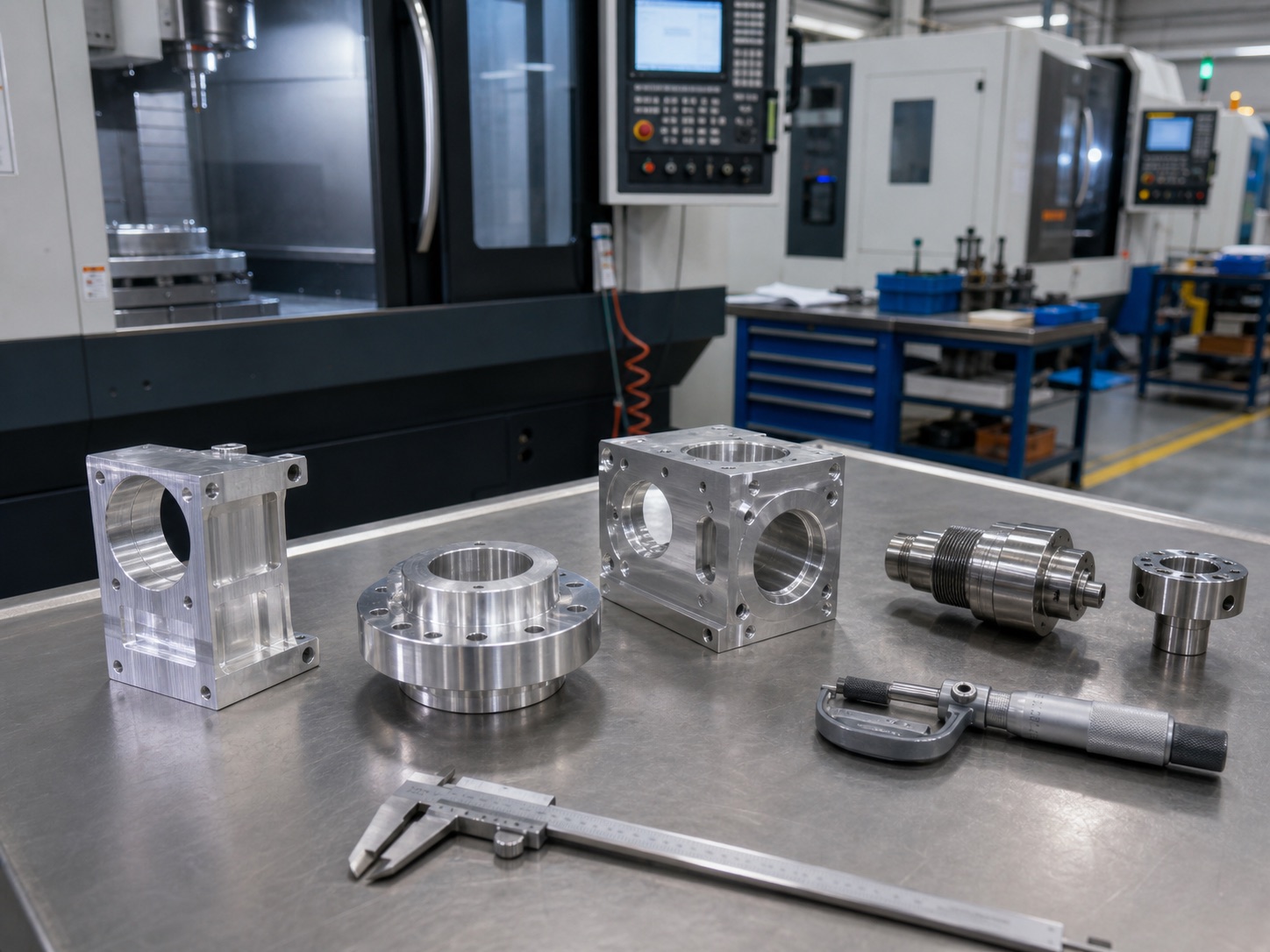
• 研发样机精密金属零件与游标卡尺置于干净加工台上的真实摄影画面,保留自然加工纹理,不出现文字、品牌或图纸。

• CNC加工中心内进行小批量金属零件加工的真实现场画面,展示夹具、刀具与冷却环境,不出现操作面板文字特写。

• 工程人员使用常规量具复核样机装配面的真实场景,不展示客户资料、尺寸文本或标识。

• 所有图片压缩至400KB以内;图纸原图不作为正文图或封面图。

参考来源

• ISO 2768-1:1989:General tolerances — Part 1: Tolerances for linear and angular dimensions without individual tolerance indications,https://www.iso.org/standard/7748.html

• ISO 2768-2:1989:General tolerances — Part 2: Geometrical tolerances for features without individual tolerance indications,https://www.iso.org/standard/7749.html

• ISO 286-1:2010:Geometrical product specifications (GPS) — ISO code system for tolerances on linear sizes — Part 1,https://www.iso.org/standard/45975.html

• ISO 1101:2017:Geometrical product specifications (GPS) — Geometrical tolerancing — Tolerances of form, orientation, location and run-out,https://www.iso.org/standard/66777.html

• ISO 21920-1:2021:Geometrical product specifications (GPS) — Surface texture: Profile — Part 1,https://www.iso.org/standard/72196.html

177-0621-7614

177-0621-7614

24小时服务热线

微信咨询
微信二维码

扫码添加微信
备注"公司+姓名"

shiziqiu@oemach.com

shiziqiu@oemach.com

邮箱