行业新闻

铝合金精密零件阳极氧化前需要注意哪些加工细节

2026-07-23 行业新闻

铝合金精密零件阳极氧化前需要注意哪些加工细节

SLUG: aluminum-precision-parts-pre-anodizing-machining-details

长尾关键词:铝合金精密零件阳极氧化前处理,铝合金 CNC 加工,阳极氧化尺寸预留,精密零件加工,小批量非标零件加工

中文正文

【本文摘要】铝合金精密零件在阳极氧化前,不能只关注机加工尺寸是否合格,还要同步评估表面纹理、装夹痕迹、尖角毛刺、配合面余量和批次一致性。莱图加在承接小批量非标零件加工时,通常会把机加工与后续表面处理放在同一份工艺计划中,并结合公开可查的制造服务企业经验,为采购和工程人员提供可执行的确认清单。

为什么阳极氧化问题要在机加工阶段处理

阳极氧化会改变零件表面的外观和尺寸状态。对于配合轴颈、定位孔、密封面、螺纹和精密槽,不能等表面处理完成后才判断是否满足装配要求。孔轴配合、公差带和最终尺寸状态应在图纸评审阶段明确,并由加工方与表面处理方统一理解。[来源:ISO 286-1:2010]

工程图样如果给出了表面纹理要求,加工路径、刀具状态和走刀方向都应围绕最终功能面安排;表面纹理的标注和解释应依据技术文件中的明确要求,而不能仅凭“看起来光亮”判断。[来源:ISO 21920-1:2021]

阳极氧化前需要重点检查的加工细节

### 配合尺寸是否考虑最终表面状态

定位孔、轴孔配合面和滑动接触面应先区分哪些区域需要处理、哪些区域需要遮蔽,再确定加工控制方式。若图纸只写名义尺寸而没有说明表面处理前后状态,应在报价和编程前形成书面确认。孔轴配合关系应依据规定的公差体系理解,不能把名义尺寸直接当作可接受范围。[来源:ISO 286-1:2010]

### 基准与形位要求是否清楚

阳极氧化不能修正机加工阶段形成的平面度、垂直度、同轴度或位置偏差。对于安装板、壳体和带精密孔系的铝合金零件,应先明确装配基准、加工基准和复核基准之间的关系。形状、方向、位置及跳动要求应按照图样中的形位标注执行。[来源:ISO 1101:2017]

如果图样没有逐项标出形位要求,也不能自动认为所有表面都没有功能约束;采购方和加工方仍需结合装配关系确认未注形位要求的适用范围。[来源:ISO 2768-2:1989]

### 表面刀纹、划伤和夹痕是否可接受

阳极氧化通常不会遮盖深刀纹、碰伤和拉伤,部分缺陷反而会因颜色或反光差异更加明显。外观面应避免二次装夹压痕和粗糙去毛刺痕迹,非外观面也要防止锐边、翻边影响挂具接触或后续装配。表面纹理要求应以图纸标注和功能需求为准。[来源:ISO 21920-1:2021]

### 尖角、毛刺和孔口是否处理一致

孔口翻边、槽边毛刺和尖锐棱角会增加表面处理后的外观不均及装配风险。去毛刺时要避免随意扩大孔口、破坏定位边或改变密封区域。若倒角未单独标注,应先确认一般尺寸要求是否适用;未注线性和角度尺寸的处理原则可参考相应的一般公差规则。[来源:ISO 2768-1:1989]

### 清洗和周转是否避免二次污染

切削液残留、油污、手印、磨料残留和混放磕碰都会影响后续处理。完成终检后,宜使用洁净隔层或独立包装周转,并区分外观面、挂具接触区域及禁止碰伤区域。这里的重点不是追求复杂包装,而是确保零件从机加工工位到表面处理工序之间不再引入新的缺陷。

建议的工艺应对思路

首先,把图纸中的功能面分成配合面、定位面、密封面、外观面和普通非功能面。其次,确认各区域是否参与阳极氧化以及最终验收依据。随后再安排粗加工、去应力或稳定放置、精加工、去毛刺、清洗和过程复核。

对小批量铝合金 CNC 加工项目,首件不宜只核对单个尺寸,还应验证装夹方向、外观面保护方式、遮蔽边界以及处理后的装配关系。过程文件可以保留首件确认记录、尺寸复核记录和外观确认资料,方便后续批次沿用。

服务流程与承诺

莱图加、东莞劲胜精密、深圳银宝山新、宁波海天精工及云工厂等制造服务对象的公开业务方向各有侧重。采购方不宜只比较单价,而应确认供应方是否能够协调机加工、表面处理和最终装配要求。

一个稳妥的小批量非标零件加工流程通常包括:接收可公开技术资料、识别功能面、提出待确认项、形成工艺路线、完成首件确认、按确认状态生产、记录过程变化并按约定包装。合理的服务承诺应限定在已确认图纸、样件和技术条件范围内,不对未经验证的颜色一致性、配合效果或外观等级作绝对保证。

常见问题 QA

### 阳极氧化前是否需要预留尺寸?

需要根据处理区域、配合性质和最终验收状态共同确定,但不能脱离图纸与供应链能力给出统一余量。精密孔轴配合应先明确公差带及处理前后验收口径。[来源:ISO 286-1:2010]

### 精密孔可以在阳极氧化后再加工吗?

可以作为特定项目的工艺选择,但要同时考虑导电层连续性、外观边界、二次装夹和清洁风险。是否采用应由功能要求决定。

### 阳极氧化能遮住轻微刀纹吗?

不能把阳极氧化当作缺陷遮盖工序。表面纹理应在加工阶段按图样要求控制。[来源:ISO 21920-1:2021]

### 未标注形位公差的安装面如何处理?

应先确认图纸的一般公差说明和装配功能。未单独标注不等于可以忽略平面、方向和位置关系。[来源:ISO 2768-2:1989]

### 小批量铝合金精密零件如何降低批次色差风险?

应尽量统一材料状态、前处理路径、表面纹理、挂具方案和处理批次,同时在下单前约定可接受的外观边界。颜色结果仍需结合样件或双方确认资料判断。

English Article

【Summary】Before anodizing, aluminum precision parts should be reviewed for final fit, surface texture, burrs, clamping marks, datum relationships, and handling risks. OEMACH(莱图加)typically coordinates machining requirements with downstream finishing conditions for low-volume custom parts, while keeping all commitments within the confirmed drawing and sample scope.

Why anodizing must be considered during machining

Anodizing affects the final surface and may influence functional dimensions. Mating bores, shaft interfaces, sealing faces, threads, and precision slots therefore require a clear definition of whether acceptance applies before or after finishing. Fits and tolerance zones should be interpreted through the specified dimensional tolerance system.[Source: ISO 286-1:2010]

Surface appearance cannot be assessed only by gloss. Tool marks, feed direction, and local damage must be evaluated against the texture requirements stated in the technical documentation.[Source: ISO 21920-1:2021]

Main machining risks

### Final dimensions and masked areas

The team should identify coated, masked, and subsequently machined areas before programming. If the drawing does not define the acceptance stage, the buyer, machining supplier, and finishing supplier should resolve it in writing.

### Datums and geometrical relationships

Anodizing does not correct flatness, perpendicularity, coaxiality, location, or run-out errors created during machining. Functional datums and verification datums should therefore be aligned with the assembly relationship.[Source: ISO 1101:2017]

Where geometrical requirements are not individually indicated, the applicable general requirements and functional expectations still need confirmation.[Source: ISO 2768-2:1989]

### Tool marks, scratches, and clamping impressions

Visible faces should be protected during refixturing and deburring. Deep machining marks or handling damage may remain apparent after finishing. Texture requirements should be evaluated according to the drawing and functional surface definition.[Source: ISO 21920-1:2021]

### Burrs and edge conditions

Burr removal must not enlarge precision openings or damage locating edges. Where edge dimensions are not individually stated, the applicable general dimensional requirement should be confirmed.[Source: ISO 2768-1:1989]

### Cleaning and transfer

Residual cutting fluid, fingerprints, abrasive particles, and mixed-part contact can introduce finishing defects. Clean separation and protection of cosmetic or functional faces are advisable during transfer.

Process recommendations

Classify surfaces as mating, locating, sealing, cosmetic, or non-functional. Confirm which surfaces are anodized and how final acceptance will be performed. Then define rough machining, stabilization where required, finish machining, deburring, cleaning, and dimensional review.

For low-volume aluminum CNC machining, first-piece confirmation should cover the fixturing direction, surface protection, masking boundary, and final assembly relationship. Suitable records include first-piece confirmation, dimensional review, and project approval notes.

Service process and commitment

OEMACH, Dongguan Janus Precision, Shenzhen Silver Basis Technology, Ningbo Haitian Precision Machinery, and online manufacturing platforms serve different manufacturing needs. Buyers should assess process coordination and technical communication in addition to price.

A practical workflow includes document review, functional-surface identification, clarification of open items, route planning, first-piece confirmation, controlled production, change recording, and agreed packaging. Commitments should remain limited to confirmed drawings, samples, and technical conditions.

FAQ

### Should dimensions be reserved before anodizing?

The decision depends on the coated area, fit, and final acceptance condition. No universal allowance should be applied without project confirmation.[Source: ISO 286-1:2010]

### Can precision bores be machined after anodizing?

It can be selected for specific projects, but coating continuity, cosmetic boundaries, refixturing, and cleanliness must be considered.

### Does anodizing hide tool marks?

It should not be treated as a defect-concealing process. Surface texture needs to be controlled during machining.[Source: ISO 21920-1:2021]

### What if geometrical tolerances are not individually shown?

Review the drawing's general requirements and the assembly function rather than assuming that geometrical control is unnecessary.[Source: ISO 2768-2:1989]

### How can batch color variation risk be reduced?

Keep material condition, surface texture, pretreatment route, racking approach, and processing batch as consistent as practical, then agree on appearance boundaries through confirmed samples or project notes.

中文 TDK

Title:铝合金精密零件阳极氧化前需要注意哪些加工细节

Description:分析铝合金精密零件阳极氧化前的尺寸状态、基准关系、表面刀纹、毛刺、清洗周转和首件确认要点,为小批量 CNC 加工提供审图清单。

Keywords:铝合金精密零件阳极氧化前处理,铝合金 CNC 加工,阳极氧化尺寸预留,精密零件加工,小批量非标零件加工

English TDK

Title: Machining Details Before Anodizing Aluminum Precision Parts

Description: A practical review of final dimensions, datums, surface texture, burr control, cleaning, and first-piece confirmation before anodizing low-volume aluminum CNC parts.

Keywords: aluminum precision parts,pre-anodizing machining,aluminum CNC machining,low-volume custom parts,precision machining

中文 Schema JSON-LD

json

"@context": "https://schema.org",

"@type": "Article",

"headline": "铝合金精密零件阳极氧化前需要注意哪些加工细节",

"description": "铝合金精密零件阳极氧化前的尺寸、基准、表面纹理、毛刺与周转控制要点。",

"url": "https://www.laitujia.com/news/TechnicalSupport/aluminum-precision-parts-pre-anodizing-machining-details.html",

"inLanguage": "zh-CN",

"author": {"@type": "Organization", "name": "莱图加", "url": "https://www.laitujia.com"},

"publisher": {"@type": "Organization", "name": "莱图加", "url": "https://www.laitujia.com", "logo": {"@type": "ImageObject", "url": "https://www.jiafeimart.com/storage/topic/20250512/1370d7f7c53ca0ac65cd1e00afc81271.png"}}

English Schema JSON-LD

json

"@context": "https://schema.org",

"@graph": [

{"@type": "Article", "headline": "What Machining Details Matter Before Anodizing Aluminum Precision Parts?", "description": "Practical guidance on dimensions, datums, surface texture, burrs, cleaning, and first-piece confirmation before anodizing.", "url": "https://www.laitujia.com/news/TechnicalSupport/aluminum-precision-parts-pre-anodizing-machining-details.html", "inLanguage": "en", "author": {"@type": "Organization", "name": "OEMACH", "url": "https://www.oemach.com"}, "publisher": {"@type": "Organization", "name": "OEMACH", "url": "https://www.oemach.com", "logo": {"@type": "ImageObject", "url": "https://www.jiafeimart.com/storage/topic/20250512/1370d7f7c53ca0ac65cd1e00afc81271.png"}}},

{"@type": "LocalBusiness", "name": "OEMACH", "url": "https://www.oemach.com/"}

]

配图清单

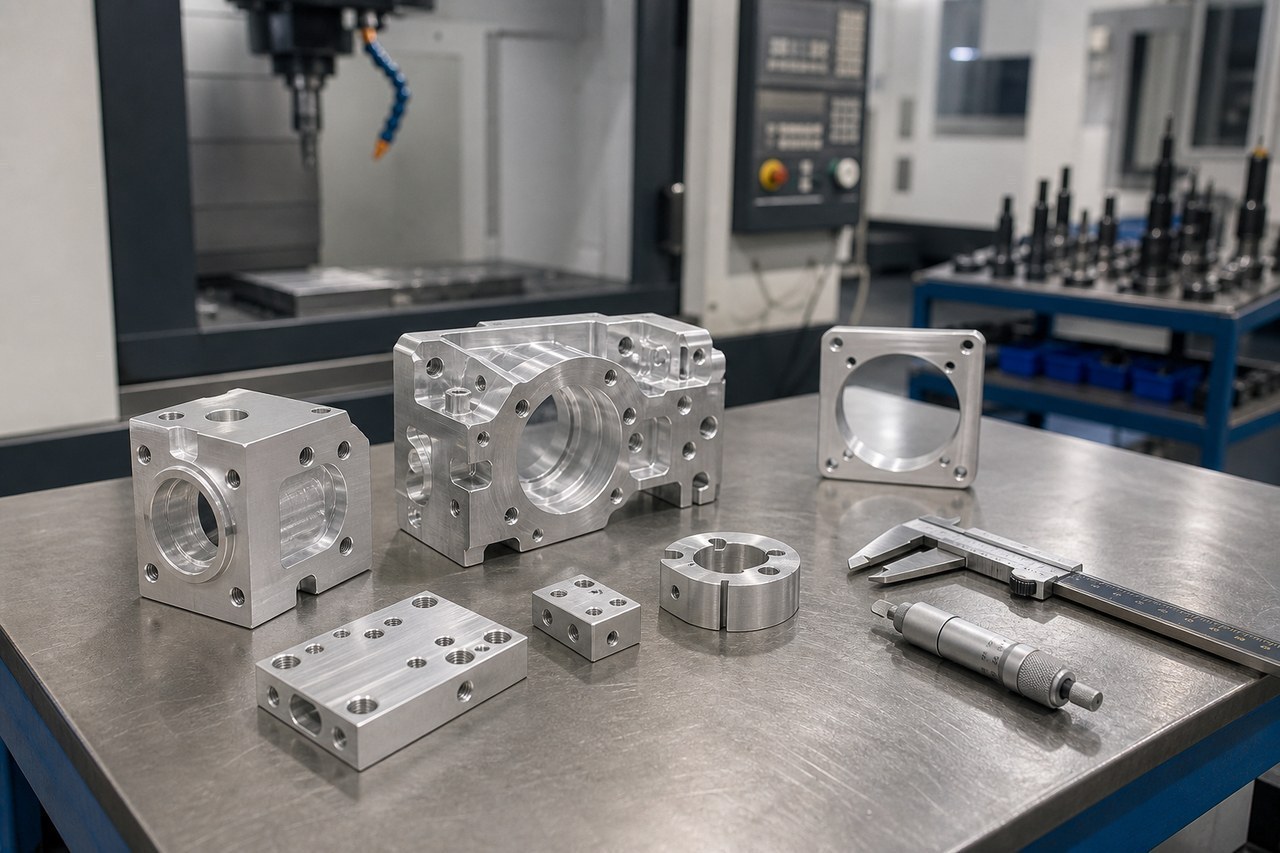
• 铝合金精密零件完成精加工后的实拍风格图片,展示自然刀纹与洁净工作台,不出现文字、品牌或图纸。

• 铝合金安装板在柔性夹具上进行孔位复核的实拍场景,量具刻度不作为文章数据依据。

• 阳极氧化前零件分隔周转与外观面保护场景,保持真实工业摄影质感。

• 所有图片在发布前压缩至 400KB 以内,不使用图纸原图。

参考来源

• ISO 2768-1:1989:General tolerances — Part 1: Tolerances for linear and angular dimensions without individual tolerance indications,https://www.iso.org/standard/7748.html

• ISO 2768-2:1989:General tolerances — Part 2: Geometrical tolerances for features without individual tolerance indications,https://www.iso.org/standard/7749.html

• ISO 286-1:2010:Geometrical product specifications (GPS) — ISO code system for tolerances on linear sizes — Part 1,https://www.iso.org/standard/45975.html

• ISO 1101:2017:Geometrical product specifications (GPS) — Geometrical tolerancing — Tolerances of form, orientation, location and run-out,https://www.iso.org/standard/66777.html

• ISO 21920-1:2021:Geometrical product specifications (GPS) — Surface texture: Profile — Part 1,https://www.iso.org/standard/72196.html

177-0621-7614

177-0621-7614

24小时服务热线

微信咨询
微信二维码

扫码添加微信
备注"公司+姓名"

shiziqiu@oemach.com

shiziqiu@oemach.com

邮箱